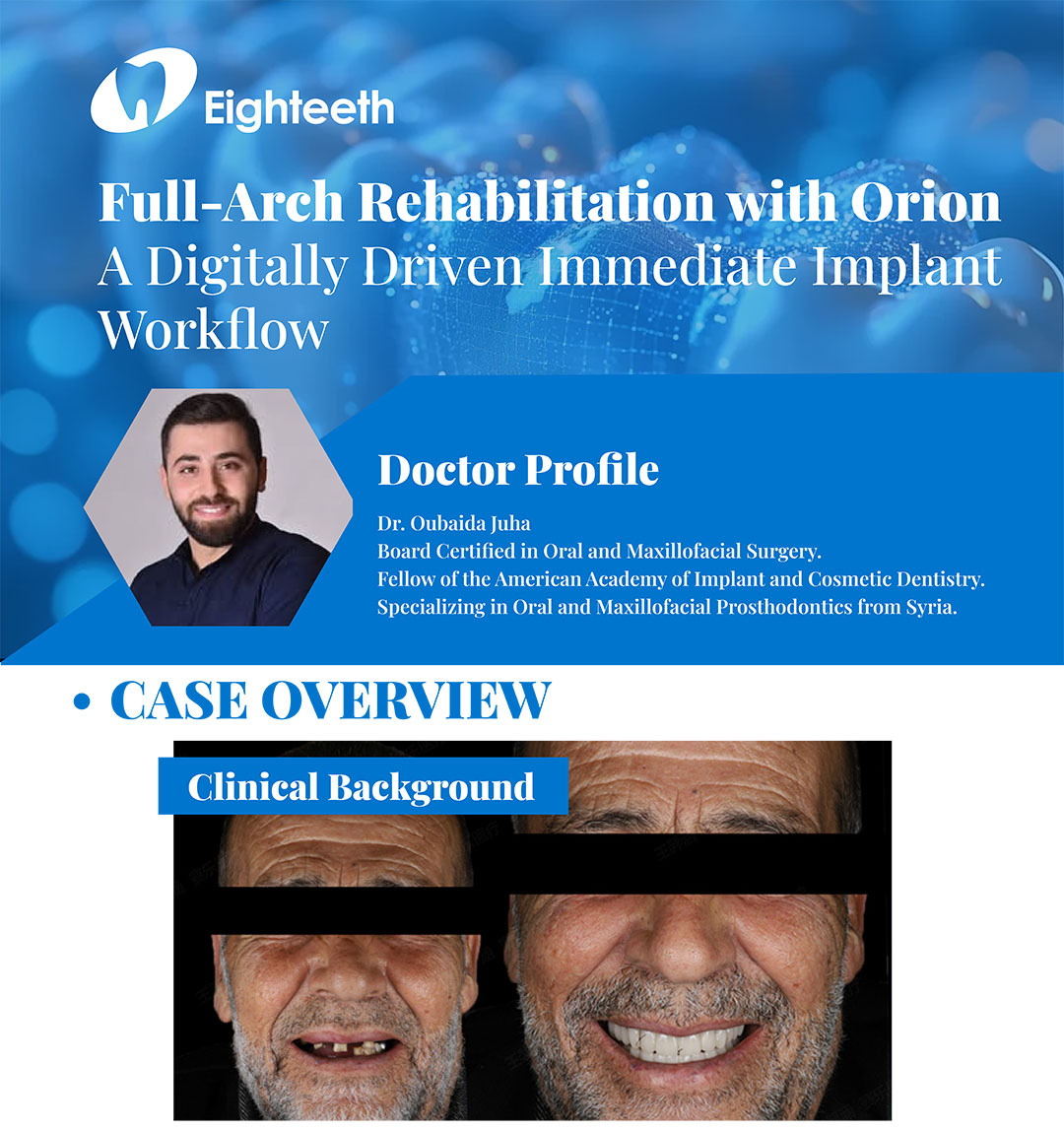
A full-arch implant rehabilitation was performed on an edentulous patient requiring immediate functional and aesthetic restoration. The treatment objective was to establish a predictable digital workflow that could simplify full-arch scanning while maintaining high restorative accuracy.
PRE-OPERATIVE SITUATION
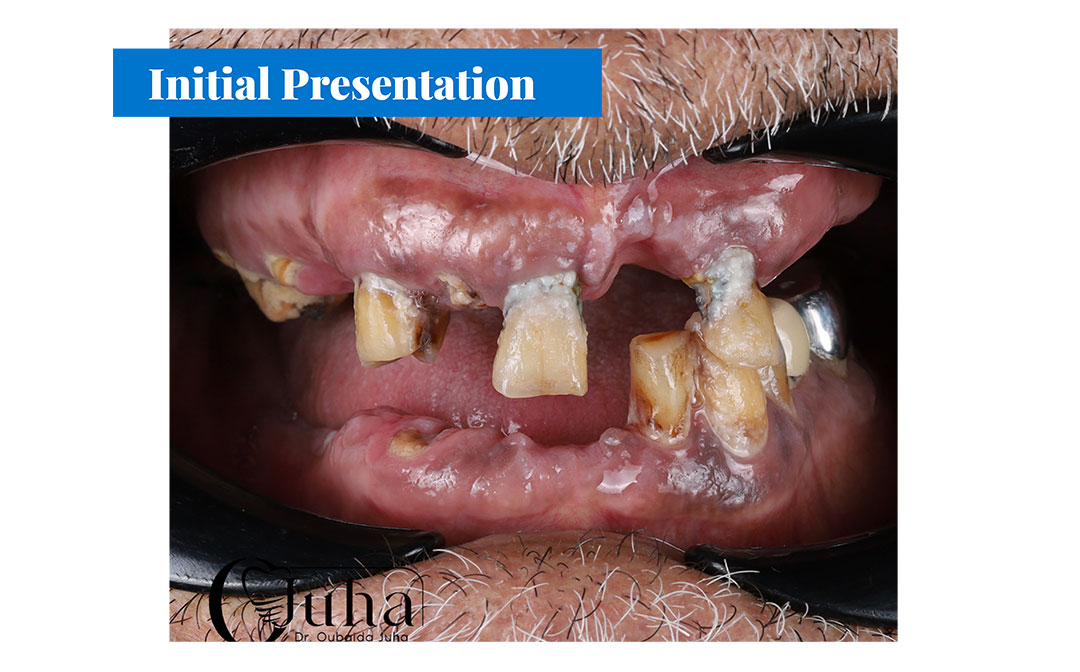
The patient presented with severe tooth loss and compromised oral function, requiring a full-arch implant-supported rehabilitation. Clinical examination and radiographic assessment confirmed the need for a comprehensive restorative solution.
Pre-operative evaluation by CBCT focused on implant distribution, prosthetic planning, occlusal considerations, and soft tissue conditions to ensure predictable surgical and restorative outcomes.
SURGICAL PROCEDURE
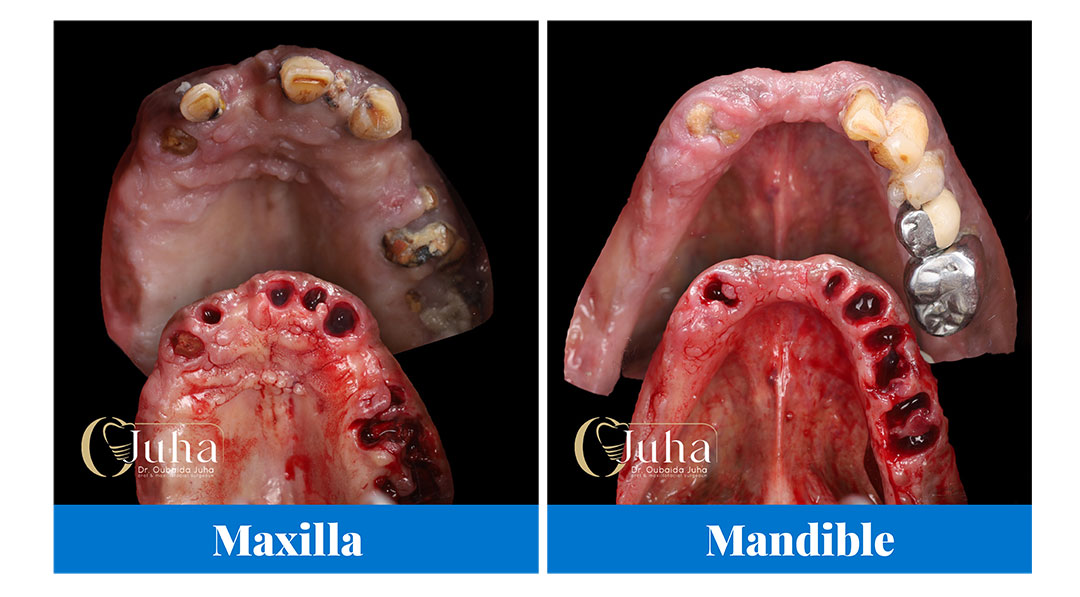
Following the surgical protocol, all hopeless teeth were first extracted, the implant osteotomies were prepared, and then implants were placed according to the digital treatment plan.
Primary stability was achieved to support immediate restoration and digital impression procedures, after which the MUA abutments were installed.
THE ORION DIGITAL WORKFLOW
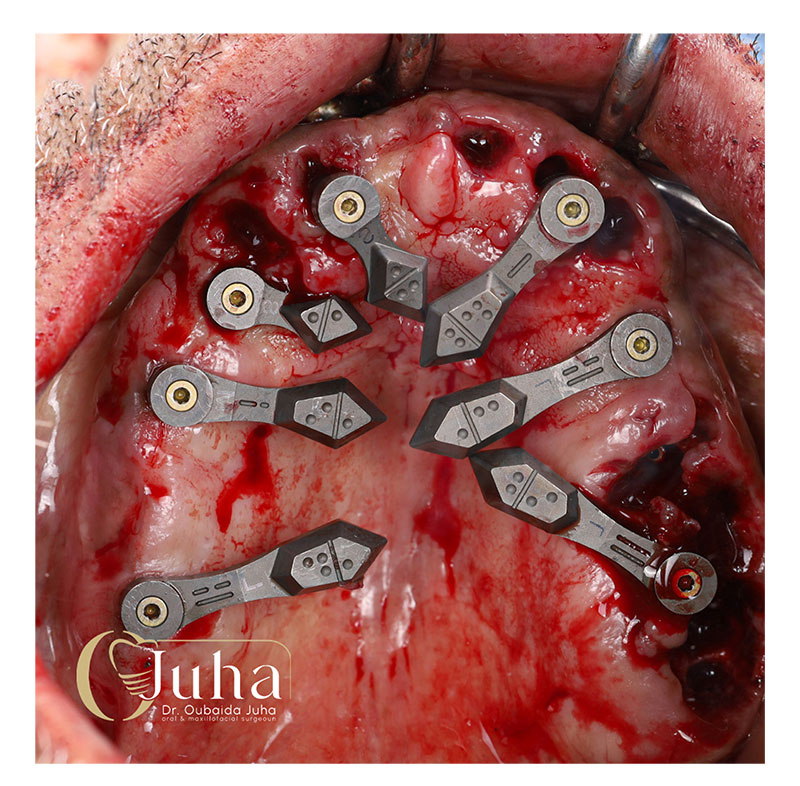
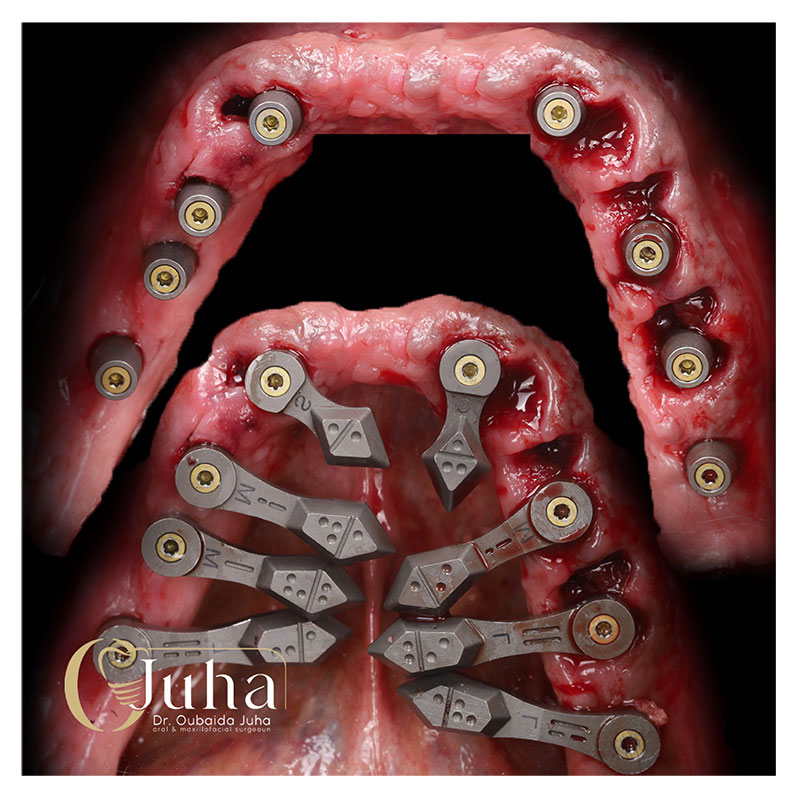
Selecting the correctly sized Orion scan bodies and placing it onto the MUA.
Dot-matrix encoding design and Helios core algorithm allowed rapid identification during the scanning process.
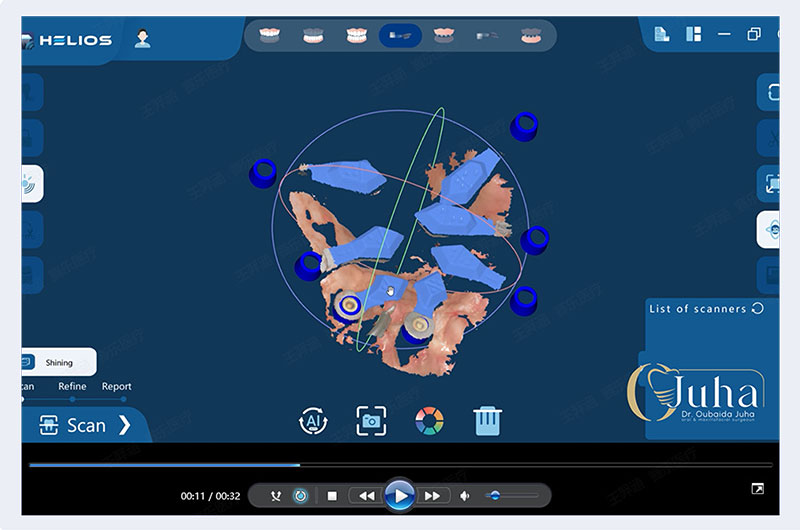
Scan scan bodies individually, proceed after each turns blue (lock).
The system will automatically locate the abutment positions after completion.
THE ORION DIGITAL WORKFLOW
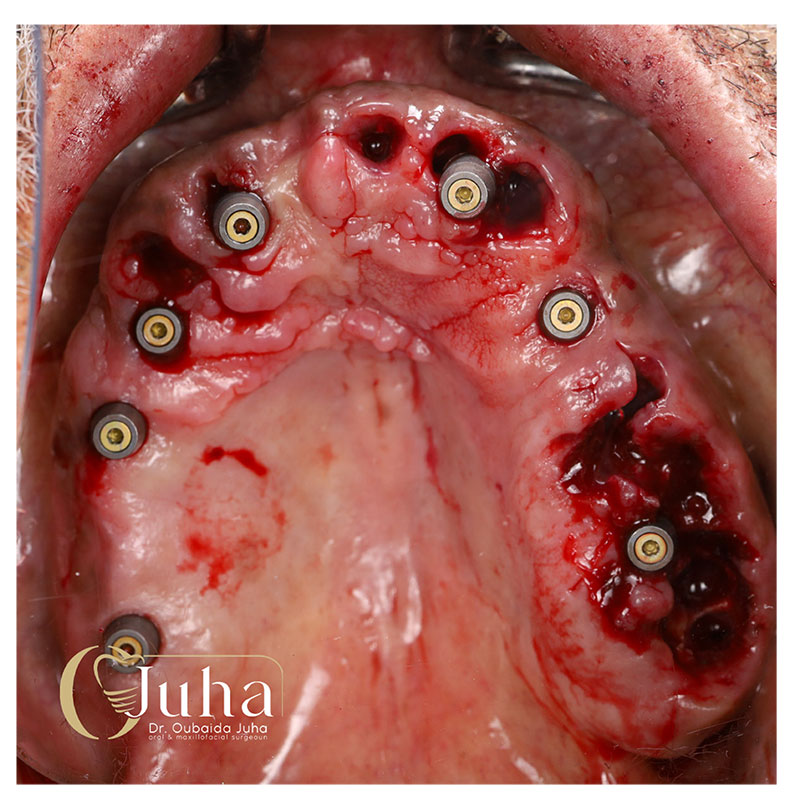
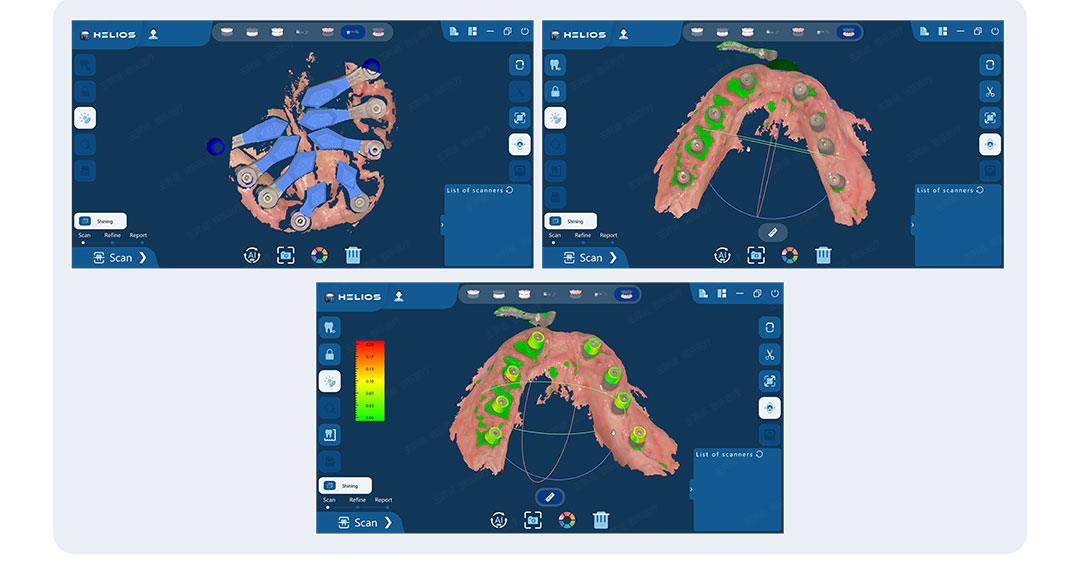
Remove the scan bodies and install scan caps onto the abutments.
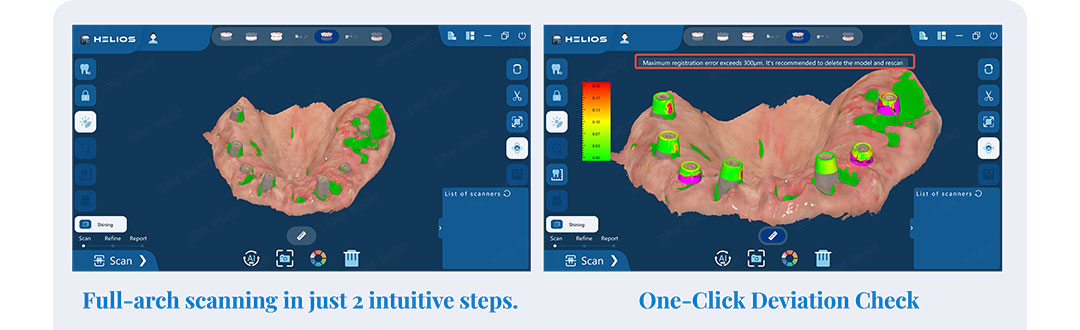
Scan each scan cap and the surrounding gingival soft tissue to capture the peripheral morphology.
This was done to match it with the gingiva and to determine any deviation in comparison with the second scan.
THE ORION DIGITAL WORKFLOW
The same impression procedures were performed on the mandible as on the maxilla.
IMMEDIATE PROVISIONAL RESTORATION
The data were collected and entered into the Exocad software, including:
* Pre-implantation CBCT scans.
* Pre-surgical scans with and without the removable prosthesis.
* Post-implantation scans, including cap scans from the primary scan bodies, aligned with scans of caps over the Multi-Unit abutments.
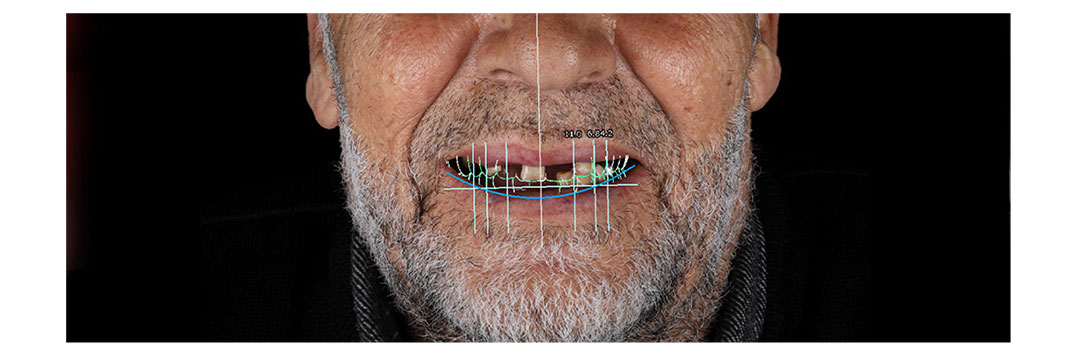
* 2D photographs used for smile design.
All of these steps were performed to achieve an ideal restoration, addressing both functional and aesthetic objectives, and to support an FP1 restoration while allowing soft tissue manipulation during the provisional phase.
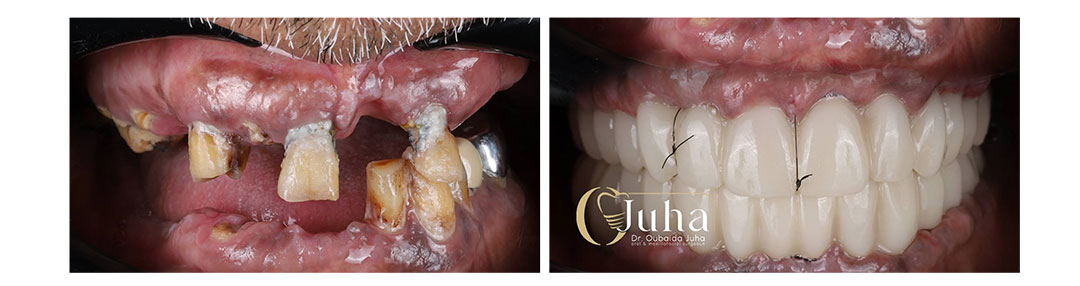
Following these procedures, immediate loading was successfully completed using a PMMA provisional restoration over a metal bar.
FINAL OUTCOME
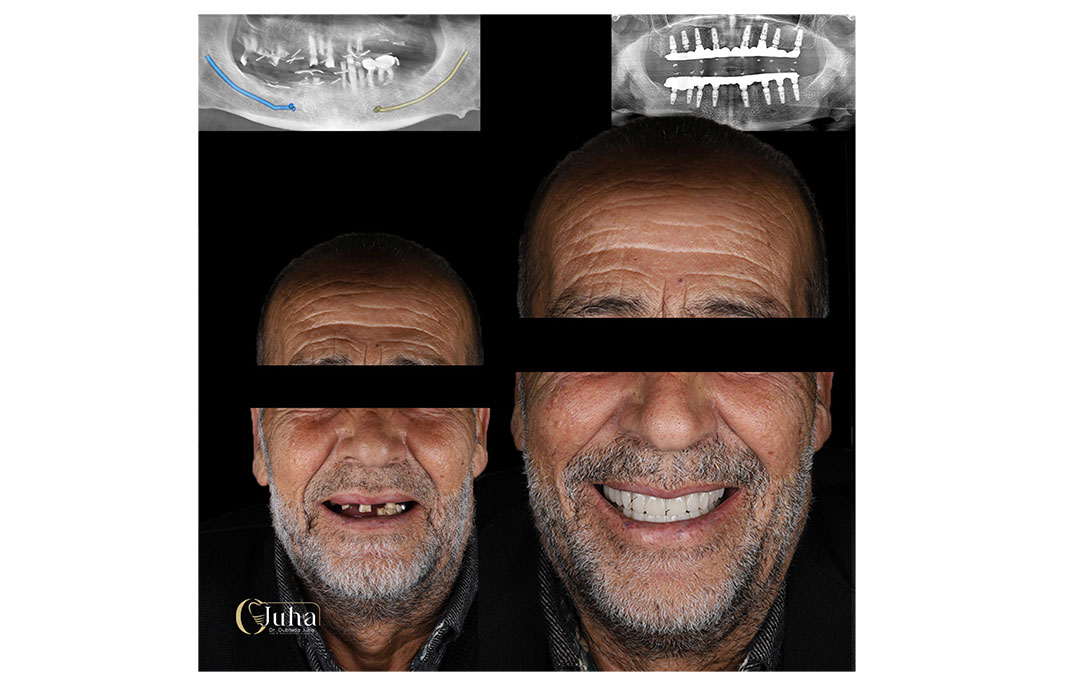
The outcome showed an accurate full-arch restoration with stable implant support and satisfactory aesthetic integration.
Through the synergistic design of encoded scan body hardware anchoring, combined with software-driven intelligent matching and closed-loop validation, Orion eliminates cumulative registration errors caused by sparse soft tissue in edentulous cases, ensures full-arch coordinate consistency, and provides ready-to-use, micron-accurate data—thereby supporting higher prosthesis success rates and predictable restorative outcomes.
KOL CLINICAL INSIGH
We commend your company for its pioneering efforts in integrating this feature into your scanner technology.
This innovation has substantially enhanced efficiency and streamlined processes for both dental professionals and patients, resulting in more precise clinical procedures. The capability for real-time adjustments further refines the user experience, a development that would not have been achievable without the dedication of your Research and Development department.
In closing, we extend our gratitude to the company for its continuous pursuit of excellence and to the R&D team for their invaluable support and ongoing technological advancements.